
Accessible and
Inclusive Design
Meaningful access changes everything for the community and for the work itself. This is why Threshold provides accessibility consulting for performing arts venues, cultural institutions, educational facilities, and civic spaces. Our expertise includes assistive listening systems, visual accommodations, sensory-friendly design, audio description, and inclusive AV systems integration.
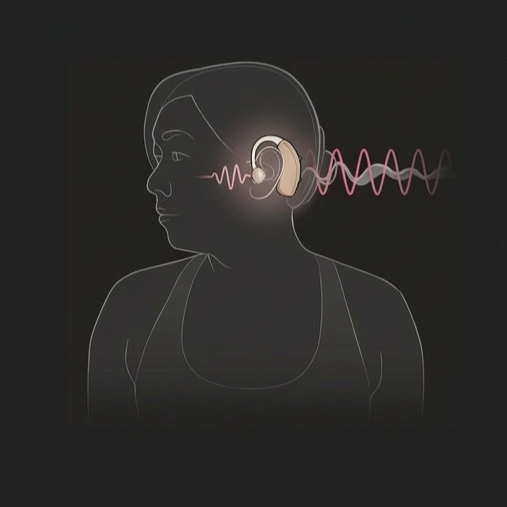
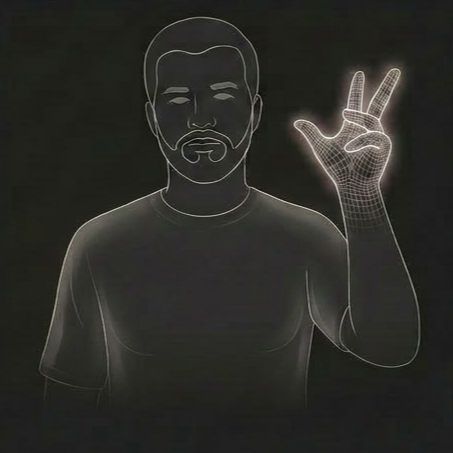
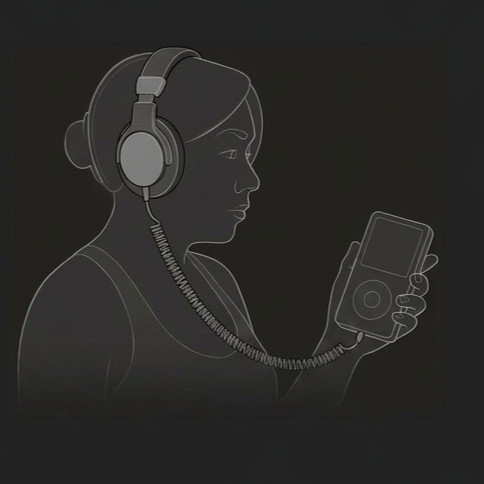
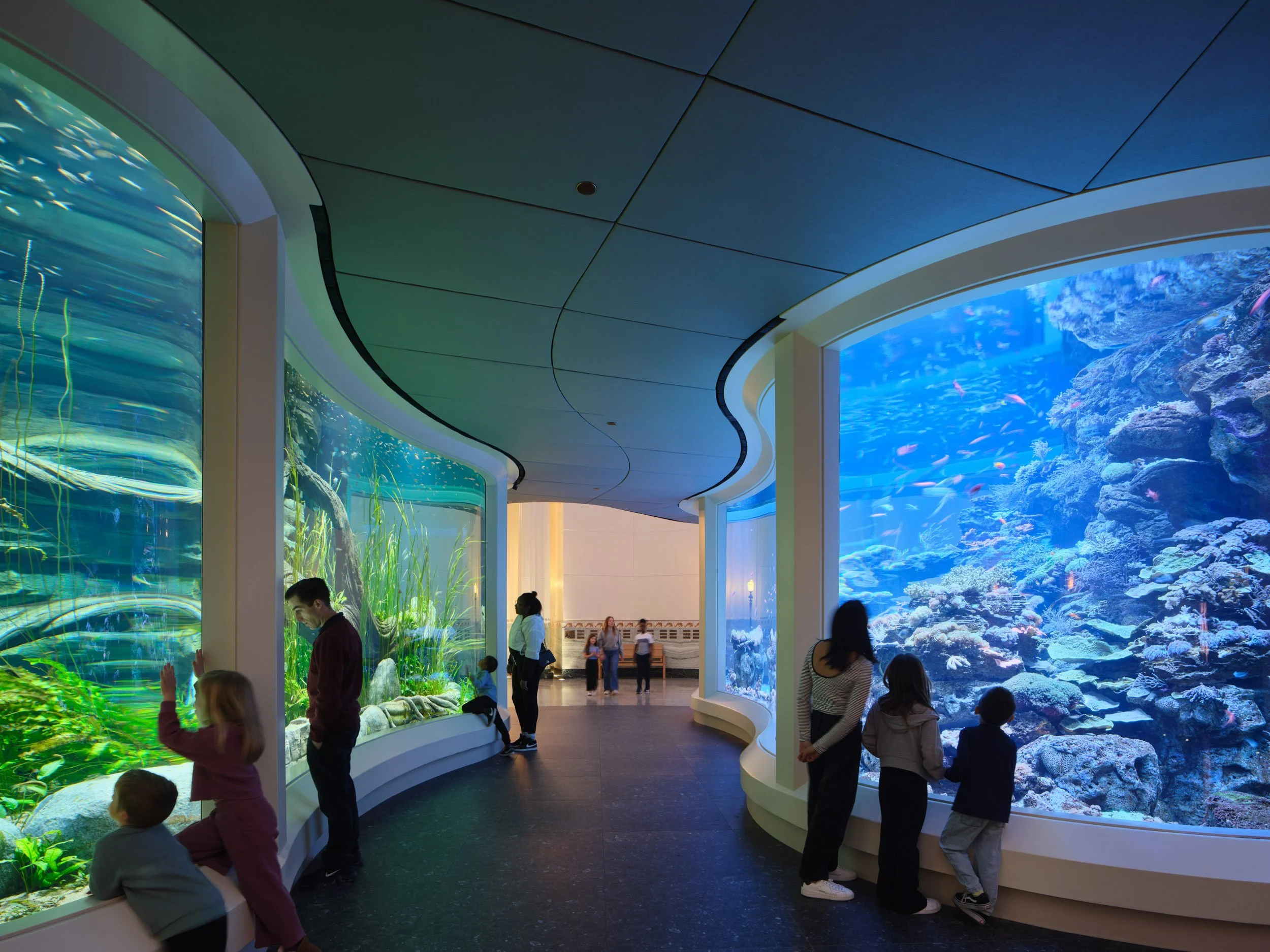
Threshold designed the ALS systems for the Shedd Experience.For even the most well-intentioned organizations, concerns of accessibility compliance can be as challenging as they are nuanced. Meeting minimal standards for ADA compliance may be a financial choice in design but often does little to foster accessibility for a broad range of needs and just as often discourages potentially-affected users from participation.
We don’t have all the answers—no one does. But time and again we’re the ones with the right questions at the table. We participate in the Leadership Exchange in Arts and Disability (LEAD) conference, we work with communities with firsthand experience of how spaces are (and are not) truly accessible, and we understand what blind spots exist and what accommodations to fight for depending on the space and situation. We can advise when it matters to go above and beyond minimal code requirements.
Our team offers presentations that center on practical, human-centered approaches to accessibility and inclusive design, particularly:
Modern technology accessibility needs in existing and new cultural venues
Bridging architecture and inclusive design in legacy spaces
Adaptive reuse and accessibility integration
Universal design principles for performing arts and museum environments
Contact Maddie Daily, Principal, mdaily@threshold.llc for more information
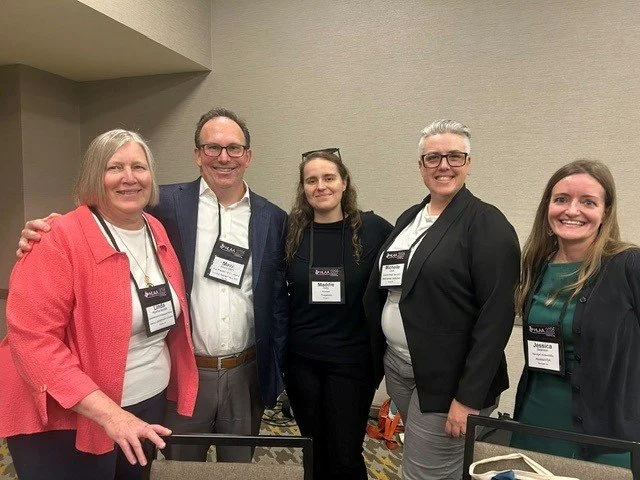
Hearing Loss Association of America (HLAA) Panelists: A Sound Journey: A Look at the Whole Listening System-From Microphone to Ear. Left to right: Linda Kozma-Spytek (HLAA), Mark Annunziato (Sound Associates), Maddie Daily (Threshold), Michelle Cook (Access Smithsonian), Jessica Swanson (Kennedy Center)

We’re aware of issues of cultural identity that come with accessibility: for instance, while the Deaf and Hard of Hearing may be able to consume content with captioning, American Sign Language is a nuanced and uniquely expressive language itself that is distinct from English and other spoken or written languages, and for much of the community it is a centerpiece of cultural identity. Acknowledging that truth and providing more meaningful ASL interpretation invites a stronger connection with the community and fosters greater inclusion.
Our Commitment
We design spaces where everyone can access information and participate fully. This means tactile keypads for people with visual impairments or limited mobility. Assistive listening systems for people who are Deaf or Hard of Hearing. Calming rooms for people with sensory processing needs. Purpose-built spaces that anticipate how different bodies and minds move through the world.
How We Work
Accessibility design starts with understanding what matters to your specific community. We assess the acoustic attributes and technical capabilities of each space. We identify what design elements support genuine access. Then we defend those choices through design and construction with clarity and conviction.
The details matter. A ceiling-mounted microphone in the right position. A video feed positioned so everyone can see. Assistive technology integrated from the start, not added later as a retrofit. These specifics are the difference between spaces that technically meet code and spaces where people actually feel welcome.
Dismantling Barriers
Accessible spaces draw more people in. More voices. More participation. More community.
We acknowledge that barriers to access are real and systemic. They are embedded in how buildings are designed, how technology is deployed, how information is shared. We do not accept those barriers as inevitable.
When we are part of your design team, we advocate for accessibility. We push for solutions. We solve problems that seemed impossible. We build spaces where every person can hear, see, participate, and belong.
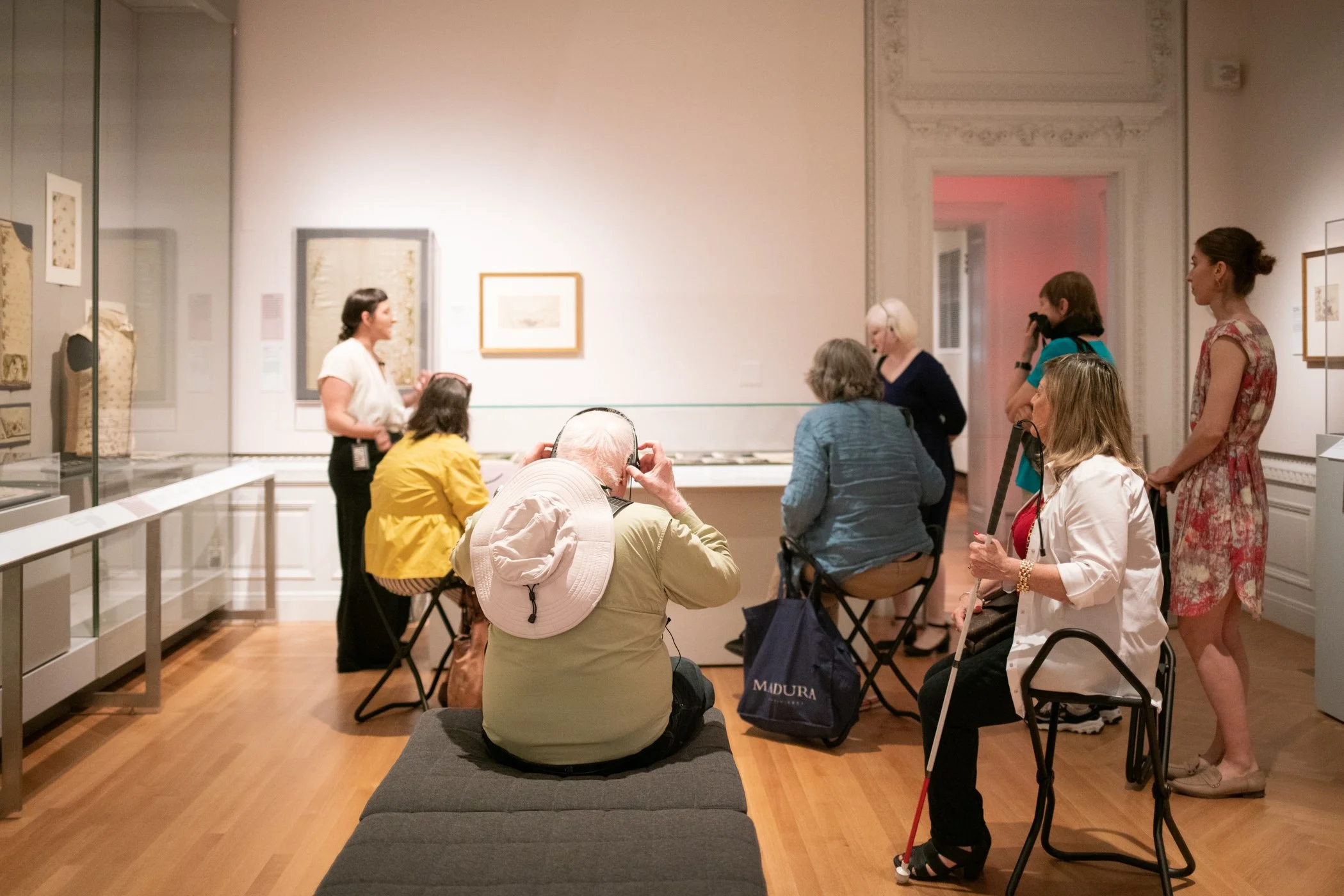
Threshold works with the Smithsonian Office of Visitor Accessibility, the group within the Institution that supports all 21 Smithsonian Units to implement robust accessibility features for patrons who experience disability in a way that impacts their daily lives, including those who are Deaf, hard of hearing, blind, and low vision. In 2024, our team began an evaluation of every Smithsonian location’s Assistive Listening Systems (ALS) and are currently in the process of proposing new guidelines and resources that will improve the experience of all visitors who interact with Assistive Listening Technologies.
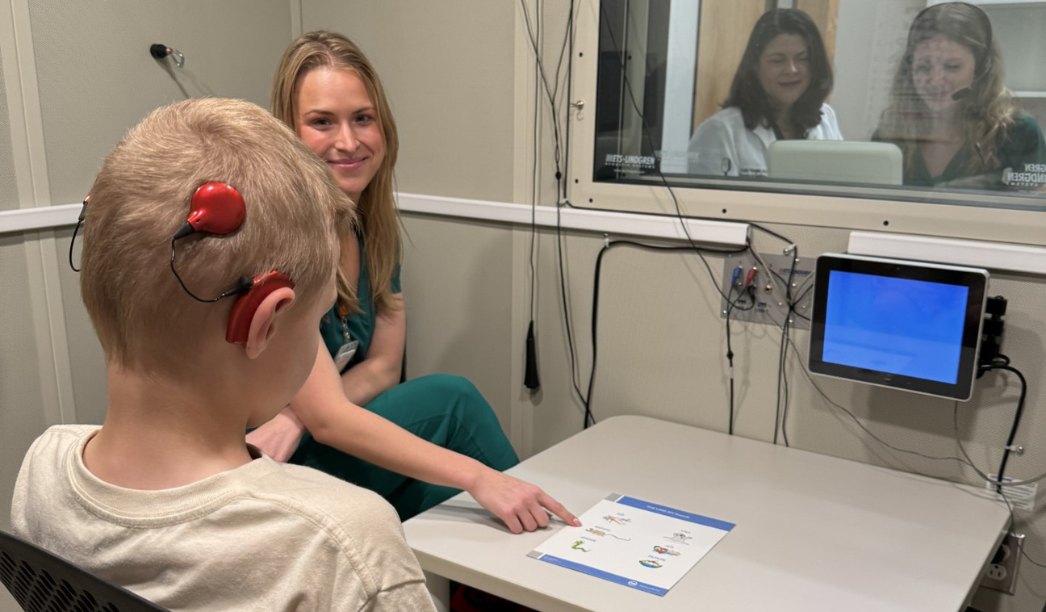
Threshold’s team designed the University of Tennessee Knoxville Clinical Audiology Lab video observation systems and assistive listening systems for patients to use. This process was facilitated through multiple in-person equipment mock-ups with the university to select the ideal system.
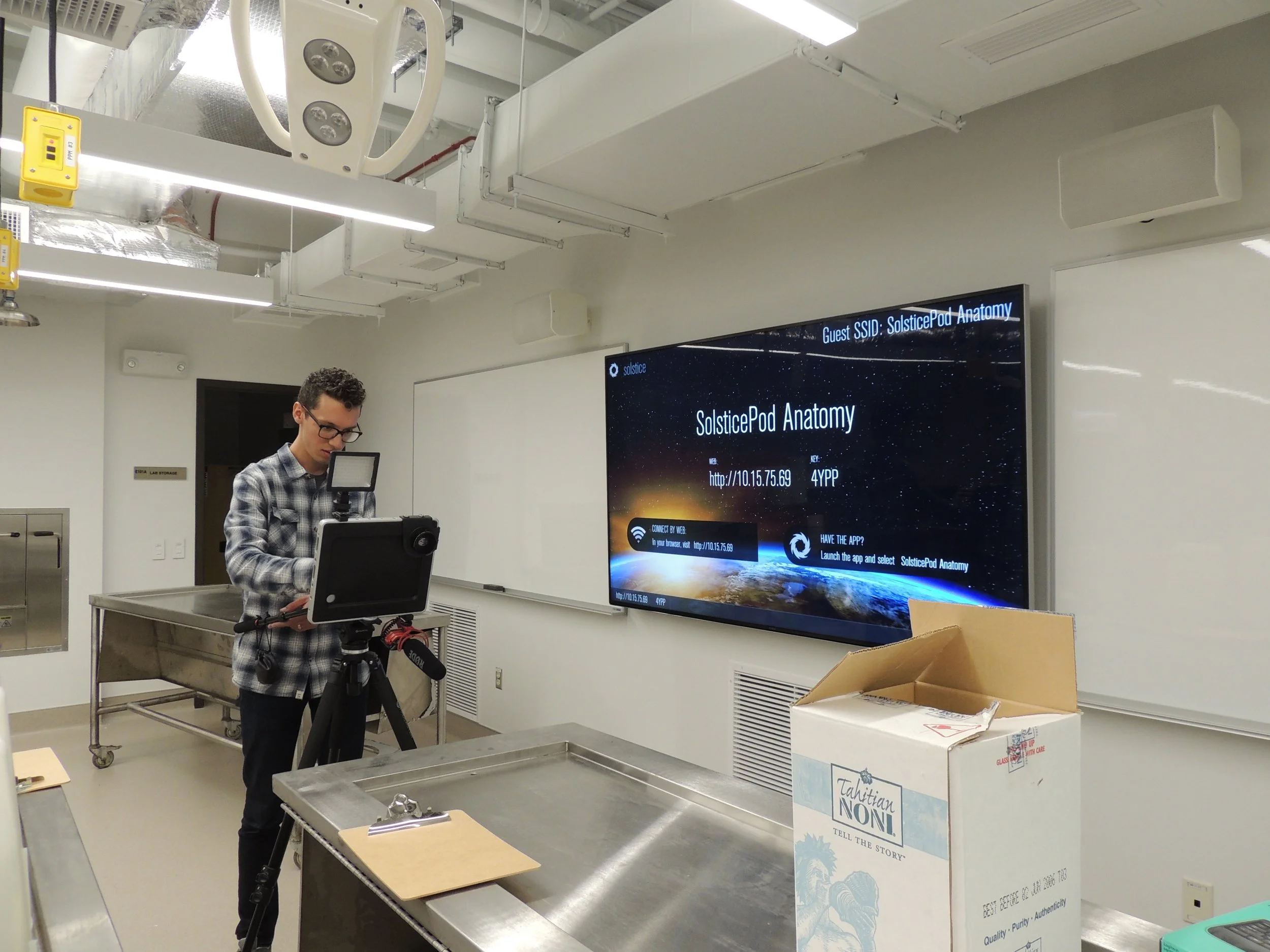
Threshold Partner Tim Perez during the close-out of the UIC College of Medicine, a project designed as an inclusive environment where students, faculty, and staff feel welcome and fully engaged in all our programs, services, and activities.