Audio/Video
Design
Driven by curiosity and built on purpose, this is where bold thinking meets thoughtful execution. Let’s create something meaningful together.
Why It Matters
Sound and video carry meaning. They connect people to information, to each other, to experiences that matter. When audio and video systems work well, they disappear. When they fail, they create barriers.
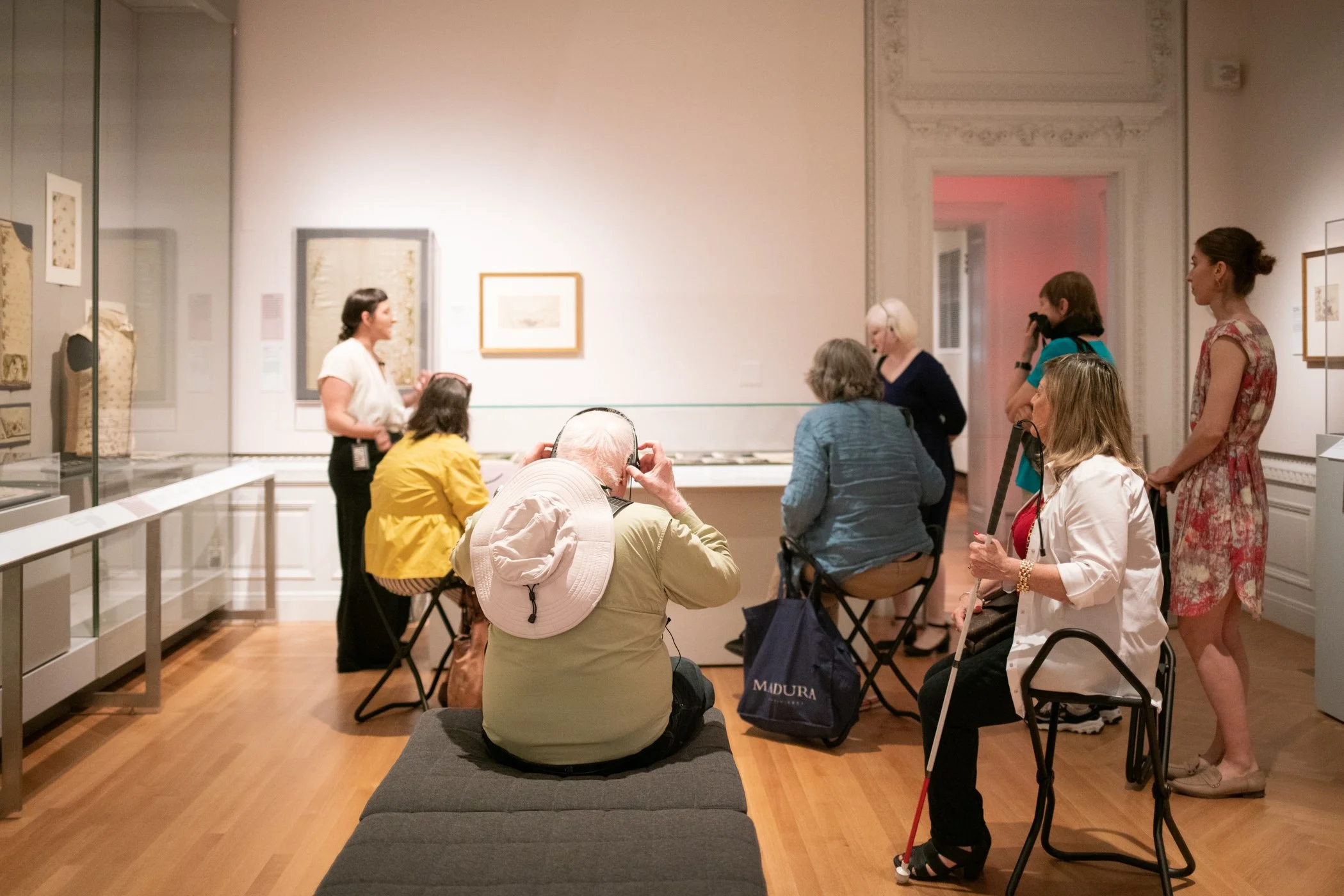
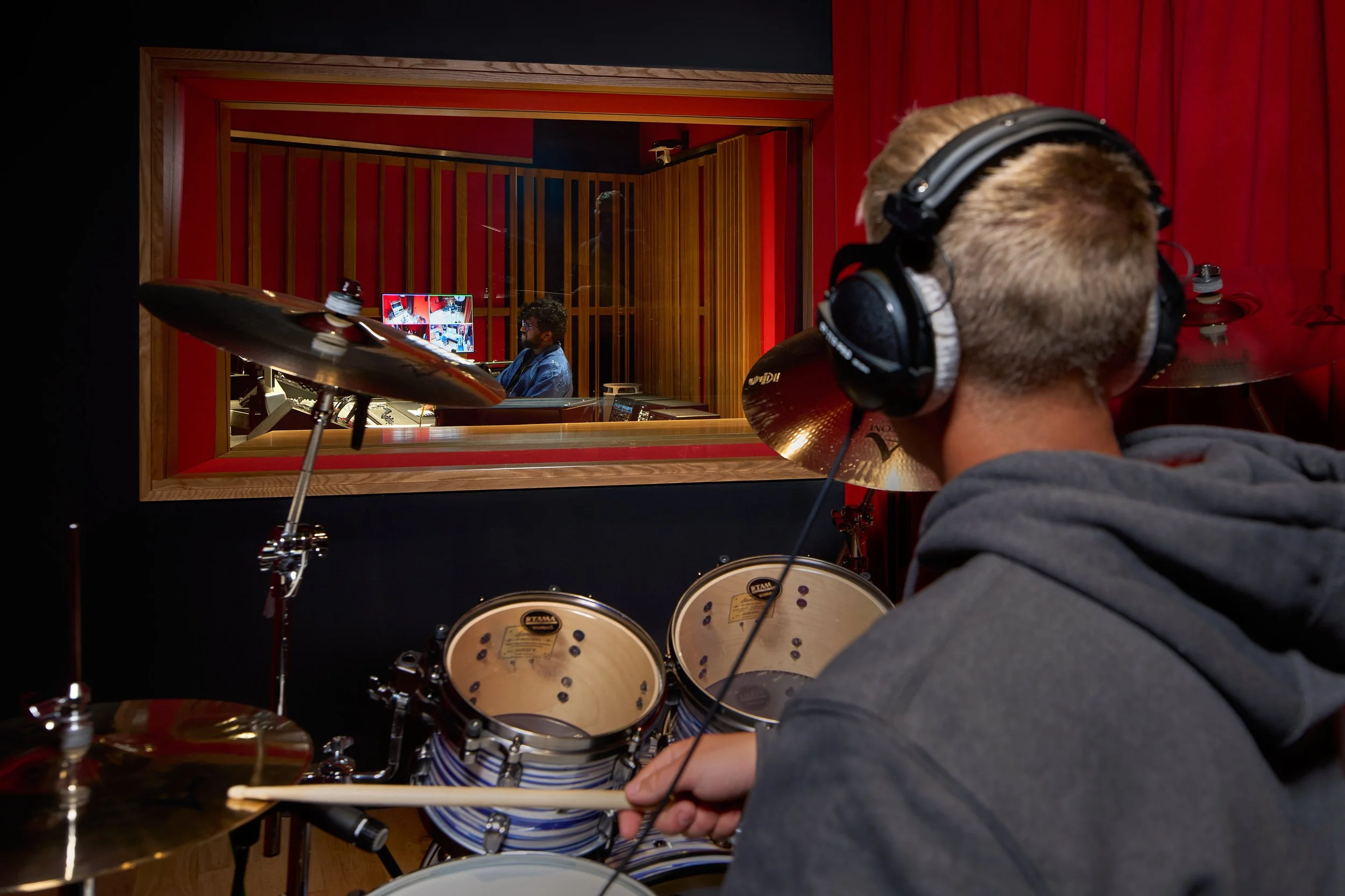
We design audio and video systems that serve everyone in the room. People sitting in the front row and those in back. People who hear differently. People who see differently. People joining from across the country on a video feed. The quality and clarity of sound and video remain paramount because access depends on it.
Our Approach
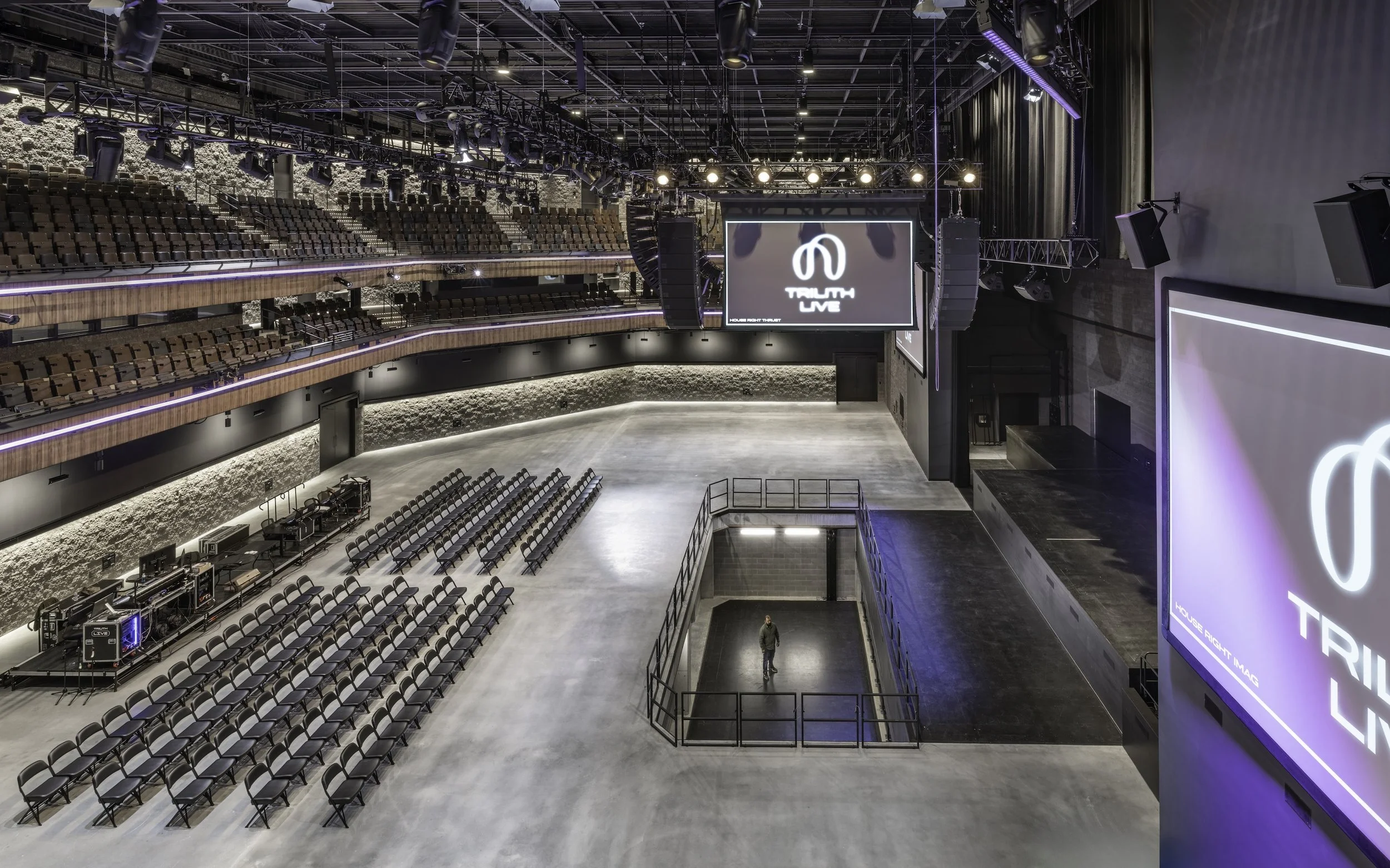
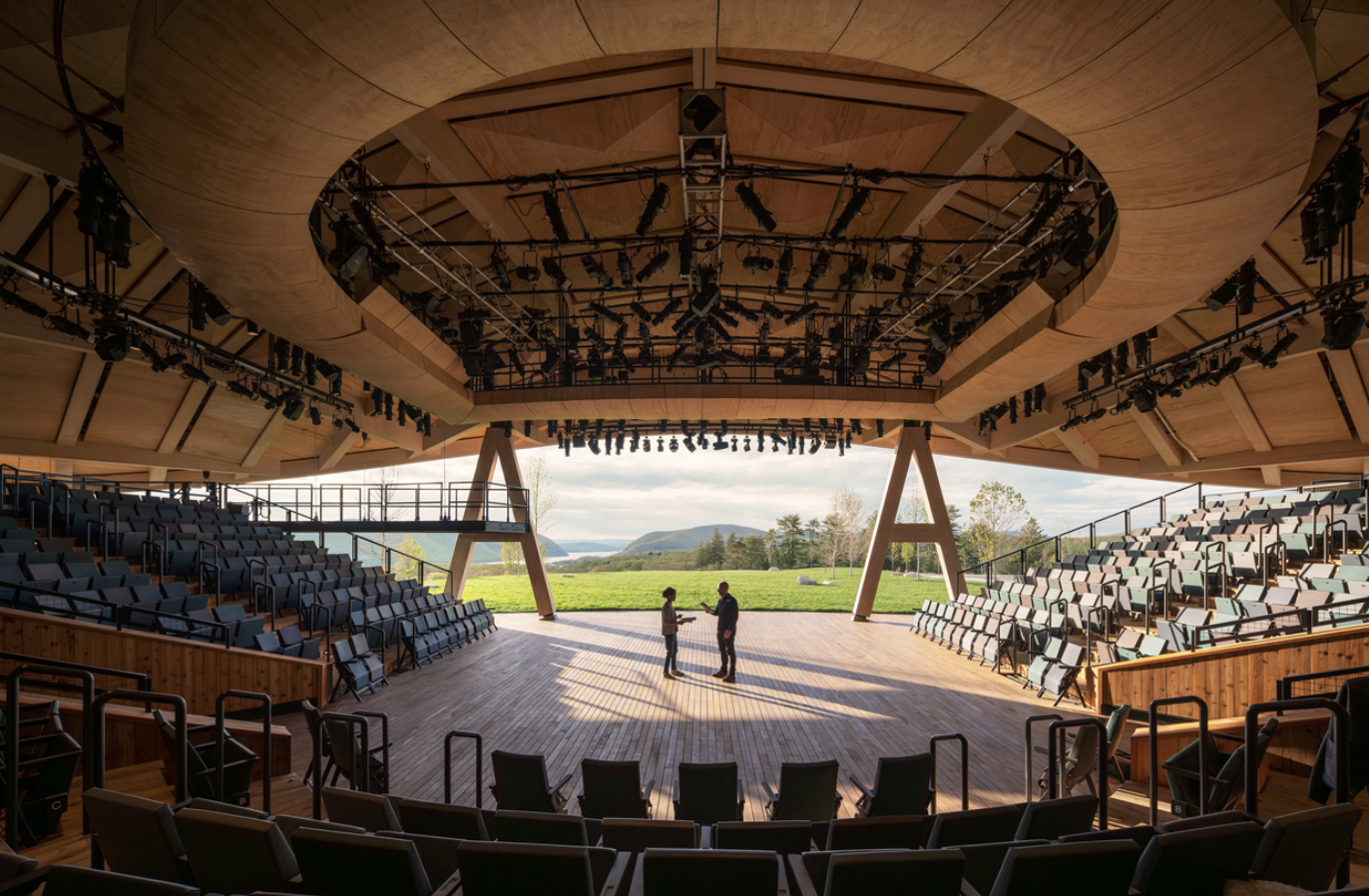
Audio and video technologies have moved from the concert hall into every building type: educational facilities, cultural institutions, civic spaces, and performing arts venues. We design integrated systems that work across audio, video, and control.
The work begins with program requirements. We assess what the space needs to accomplish and how people will use it. What is the best way for everyone to see the same thing? Who is in the room and what are their needs? How can access be made easier for those using the technology? These questions shape every decision about equipment, infrastructure, and how systems integrate into the building itself.
How We Think About It
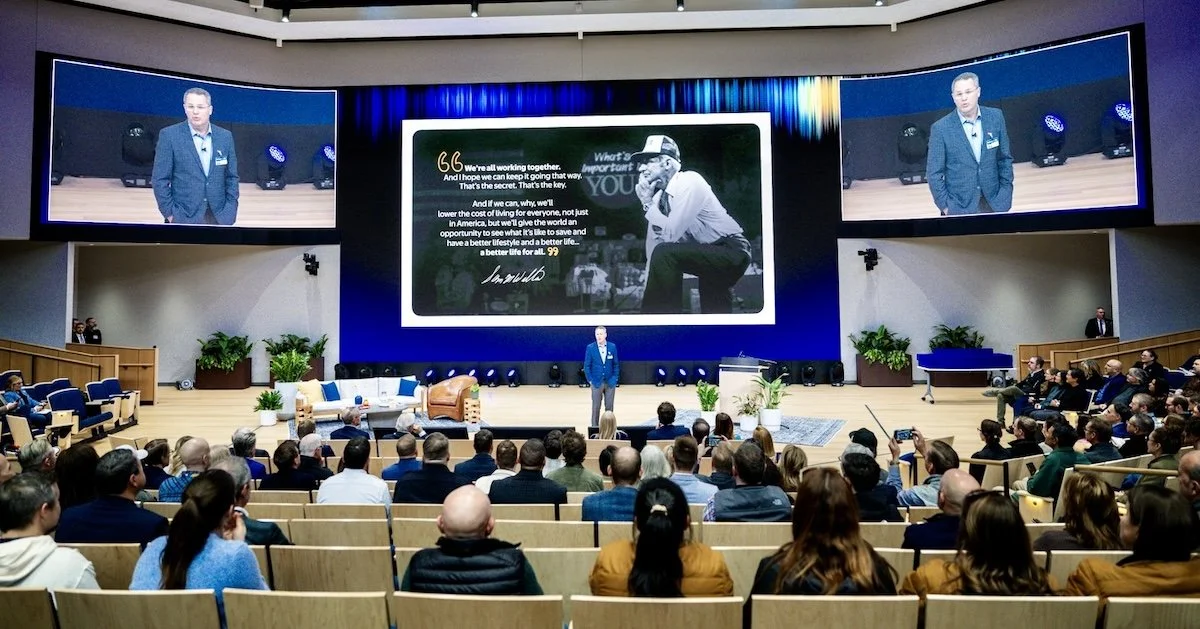
Flexible spaces demand flexible audio and video systems. A single venue may need to be a performance venue, a teaching space, and a gathering place depending on the night. It might serve an in-person audience and remote participants simultaneously. The technology needs to adapt to those different uses without becoming the center of attention.
We think of audio and video as architecture. We consider the full environment: acoustics, lighting, seating arrangement, and how people move through the space. When these systems are designed with intention, they create a window for participants and the technology recedes. What remains is a clear connection between speaker and listener, performer and audience, person and person.
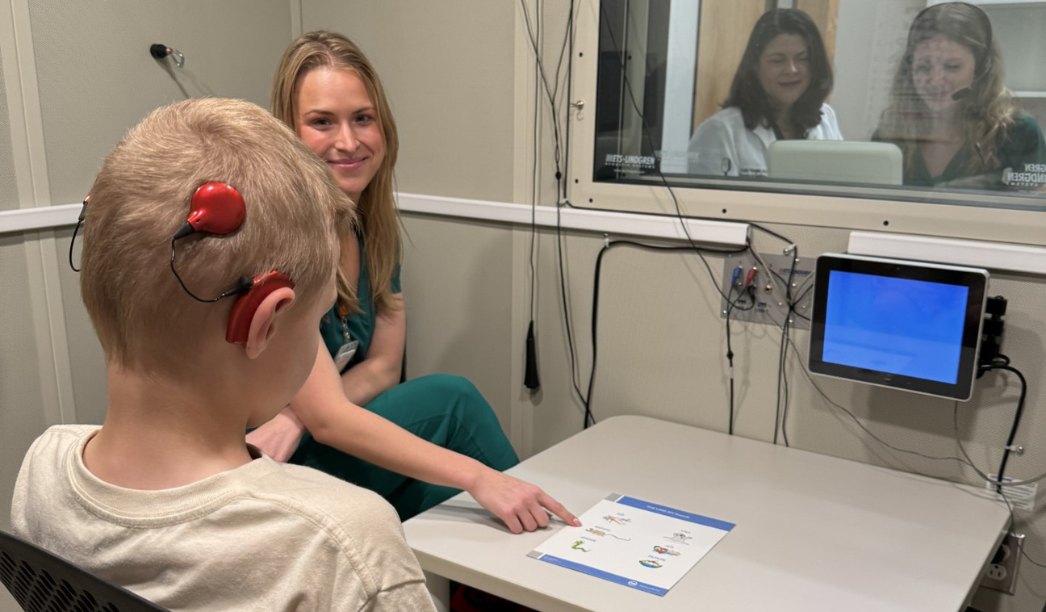
This means assistive listening systems are integrated from the start, not added on later. Closed captioning is planned for. Audio description is considered. Video feeds are positioned so everyone can see. Microphones are placed to capture the voices that matter. Remote participants have genuine access, not just a video feed of people talking to each other in the room, and no one struggles to hear or be heard due to an accessibility issue.
The Result
High-quality sound and video systems deliver power, fidelity, and nuance. They serve everyday needs and once-in-a-lifetime experiences. They make spaces work harder, reach further, and welcome more people. They dismantle barriers. They let the message be heard.